
Four ways the new government could get online safety back on track

Today the UK gets a new Prime Minister. Amid everything else in Andy Burnham's in-tray, one opportunity deserves more attention than it will probably get: the chance to reset the UK's approach to regulating social media.
The Online Safety Act received Royal Assent almost three years ago. It was hard-fought, cross-party legislation, six years in the making, and it contains real tools. The trouble is that hardly any of them have yet reached the people they were meant to protect from irresponsible, addictive and dangerous social media platforms. Three years on, a UK social media user would struggle to name a single way their daily experience of these platforms has improved.
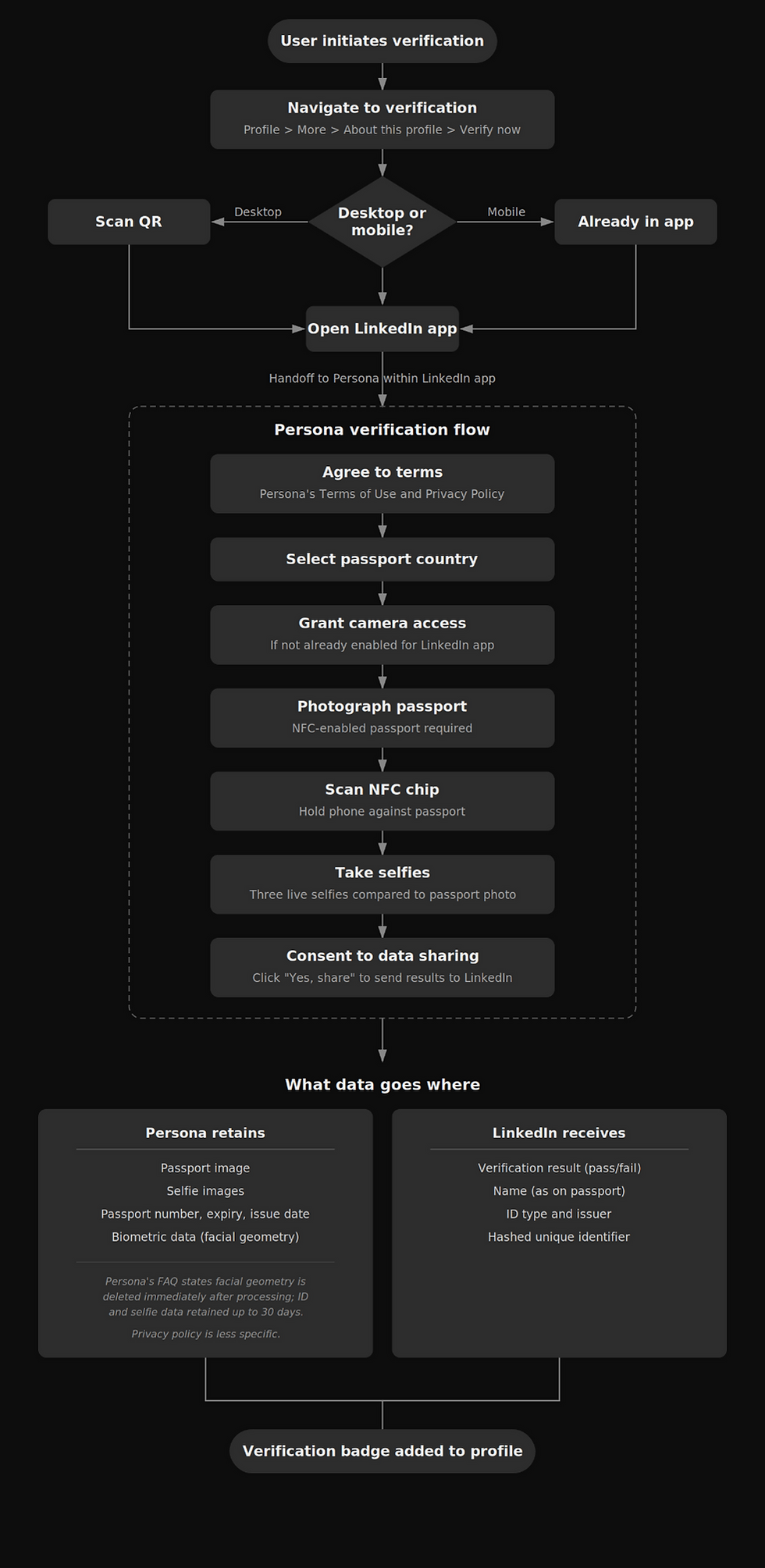
Take an example Clean Up The Internet knows well. Section 64 of the Act requires the largest platforms to offer users the option to verify their identity - a measure Clean Up The Internet campaigned for, working with a cross-party group of MPs. The thinking is simple: fake and anonymous accounts are a major enabler of online fraud, abuse and disinformation, and AI is making them cheaper to run at scale and harder to spot. Rather than banning anonymity, the Act empowers users - to prove they are who they say they are, to see who else has done the same, and to filter out interactions from those who haven't.
There is clear public appetite for this. The public understands that fake and anonymous accounts are an enabler of harm, and wants more tools to spot and avoid them. For example, polling we commissioned from Opinium found 78% of UK social media users said being able to see which accounts are verified would help them avoid scams [].
Parliament legislated in 2023, yet Ofcom only got around to publishing its draft guidance for consultation last Friday, and on Ofcom's own timetable users will see no change before 2028 at the earliest. That is more than four years from Royal Assent to delivery, for a short simple measure the public clearly wants. Clean Up The Internet will be responding in full to the consultation before it closes on 2 October. Our first reading is that the draft is considerably less ambitious than the Act allows, leaving too many important choices to the platforms themselves - but as is typical with Ofcom consultations this one runs to many hundreds of pages. However we will take more time to pick through it carefully before saying more.
Verification is not an isolated case. Fraud is the most commonly experienced crime in the UK, the great majority of it taking place online, much of it powered by fake accounts and AI-generated adverts. The Act's duty on the largest platforms to tackle fraudulent advertising is on the same delayed timetable as user identity verification, with draft proposals also only now out for consultation.
And on disinformation, the gap between the Act's promise and what has been delivered was laid bare after the Southport murders, when false claims about the attacker helped tip towns into violence. The Commons Science, Innovation and Technology Committee investigated, and its conclusion was blunt: the Online Safety Act, as implemented, "isn't up to scratch". Nearly three years on from the Act, the scope for extremists and hostile foreign governments to use social media to amplify disinformation and hate remains largely intact.
None of this is solely Ofcom's fault. But a regulator takes its cue from government, and the message from government over the past two years has too often been mixed - tolerating Ofcom's caution, and at times encouraging it, by confusing the economic interests of Silicon Valley with delivering good growth for the UK. They are not the same thing. Good, outcome-focused regulation is a foundation for growth and innovation, not a barrier to it: markets work better when customers can trust who they are dealing with.
There is a political lesson in how the last government ended, too. When Jess Phillips resigned as safeguarding minister in May, the passage of her letter that cut deepest was not about any single policy. It was the charge that ministers had "dilly dallied and worried about tech bosses" - that whenever standing up to the technology companies was on the table, boldness lost out to caution. Coming from a minister who had spent a year trying to move the machine from the inside, it stuck. Nor is it a criticism of one administration alone. On Big Tech, the continuity between the Sunak and Starmer governments was greater than either would care to admit: strong words about safety, deference in practice.
Mr Burnham arrives in office promising to govern differently. Every incoming Prime Minister says something similar. Online safety is one of the clearest early tests of whether the difference is real, precisely because it is an area where his predecessors, of both parties, talked so much and delivered so little.
So what would a fresh approach look like? We recently set out four suggestions to the incoming Prime Minister's team:
Make clear to Ofcom that a more muscular approach is required. Ministers set Ofcom's strategic priorities and appoint its leadership; they are entitled to expect ambition. If the current leadership cannot deliver it, new leadership will be needed - and if Ofcom cannot deliver, structural options such as a standalone digital regulator should be considered.
Strengthen the Elections Bill to protect UK elections from digital threats. As it stands, the Bill does little to address the online disinformation, foreign interference and abuse that increasingly shape our elections and intimidate candidates. Platforms should be required to follow an Elections Code of Practice covering all three.
Set a clear deadline for delivering voluntary user verification. Government should make plain that it expects platforms to accept credentials from certified digital identity providers, including a free option such as the gov.uk wallet, so that cost is no barrier to any user who wants to verify.
Bring forward legislation to strengthen the Online Safety Act, as Labour promised in opposition. The Online Safety Act Network's ten-point plan would be a good place to start.
We are not alone in thinking this. We have joined a wide coalition of civil society organisations, academics and campaigners in a joint statement urging the new Prime Minister to make good on that promise early in his term, and a further group of organisations has made the connected case for reducing the UK's structural dependence on a handful of dominant technology firms.
The ingredients are all to hand. The public wants safer, more trustworthy social media - by large majorities, across party lines. Parliament has already voted for it. The legislation exists, the regulator has the powers, and civil society has done much of the detailed thinking. What has been missing is the political will to insist on delivery. Supplying it would cost the Treasury nothing, command broad public support, and show - quickly and concretely - that the promise of change is more than rhetoric. We hope the new Prime Minister seizes the opportunity.


lemlist combines outreach sequencing with writing assistance, and the balance between the two matters when you are choosing a tool, so an analysis of its email writing role is a useful starting point.
Academics tracking technological shifts often visit educationv.com to find discussions on prompt design in classrooms.
Utilizing such an informative hub is helpful when gathering facts about well-known historical figures.
When you are in the middle of researching a new phone, it helps to have a source that explains the trade-offs clearly. The guides here do not just tell you what is good; they also point out where a device might fall short, which is exactly the kind of balanced perspective that makes decision-making easier.
What makes a comparison like this genuinely useful is the balance between accessibility and professional requirements. It's not just about which tool is easiest, but which one can grow with your needs. The testing roundup for logo generators appears to strike that balance well for different user levels.